
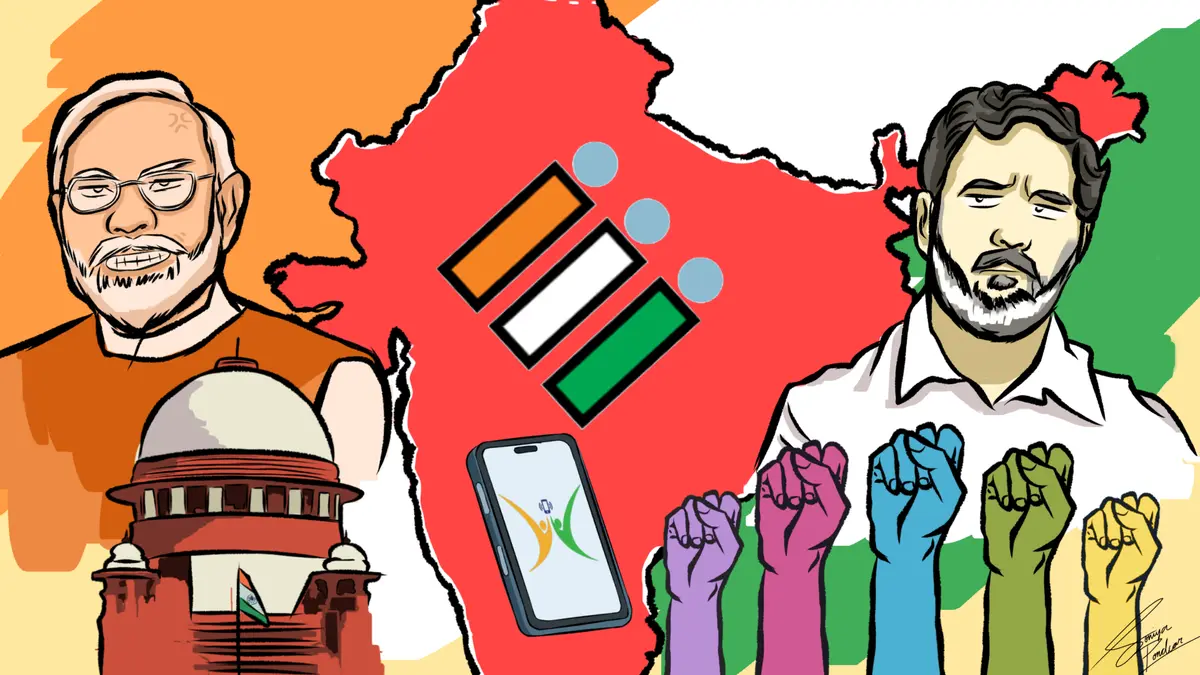
Politics continues evolving rapidly as technology, global economics, and international tensions reshape governments and public communication. In 2026, political systems are more connected than ever through digital media, online platforms, and global financial networks.
Digital Media Has Transformed Political Communication
Modern political campaigns now rely heavily on online communication. Social media platforms, livestreams, and digital news websites allow politicians to connect directly with millions of people in real time.
Political organizations increasingly focus on:
- Social media campaigns
- Digital advertising
- Online fundraising
- Audience analytics
- Video communication
- Data-driven targeting
Technology helps political campaigns better understand voter behavior and deliver personalized messaging to different audience groups. This has significantly changed how governments and political leaders interact with citizens.
However, the rapid spread of information online has also created concerns regarding misinformation, fake news, and declining trust in media sources. Governments and technology companies continue investing in cybersecurity, fact-checking systems, and digital content moderation.
Economic Pressure and International Relations
Economic conditions remain one of the strongest influences on political stability worldwide. Inflation, rising energy prices, and international trade competition continue affecting governments and financial markets.
Many countries are currently prioritizing:
- Economic growth
- Energy security
- Supply chain stability
- Cybersecurity infrastructure
- Artificial intelligence development
Political leaders face increasing pressure to balance economic performance with public expectations regarding healthcare, employment, and inflation control.
At the same time, geopolitical tensions between major global powers continue influencing international alliances and trade relationships. Governments increasingly view technology and industrial development as strategic priorities for long-term competitiveness.
Digital communities and online ecosystems continue expanding across different internet sectors. Platforms such as <a href=”https://usersporn.com/”>UsersPorno</a> demonstrate how user-driven online communities and engagement-focused ecosystems remain active parts of the broader digital landscape.
Artificial Intelligence and Government Regulation
Artificial intelligence has become one of the most important political and technological discussions worldwide. Governments are debating how to regulate AI systems while still supporting innovation and economic growth.
Political discussions now frequently involve:
- AI regulation
- Data privacy laws
- Digital surveillance concerns
- Cybersecurity protection
- Ethical use of technology
Some countries are investing heavily in AI development to strengthen national security and economic competitiveness. However, experts also warn that rapid technological advancement may create concerns related to privacy, employment, and information control.
The Future of Politics
Experts believe politics will become even more connected to technology and digital communication over the next decade. Governments that successfully adapt to technological change while maintaining public trust may achieve greater long-term stability.
As economies, media systems, and international relationships continue evolving, politics will remain one of the most influential forces shaping global development and modern society.